
A General Theory of Oblivion by José Eduardo Agualusa
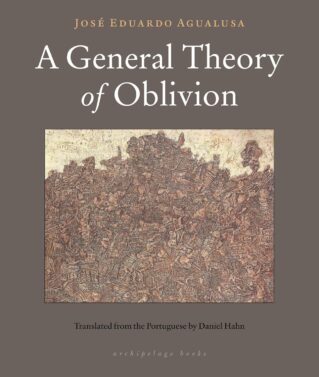
José Eduardo Agualusa’s A General Theory of Oblivion is a complex, polyphonic narrative that spans thirty years of Angolan history, centered on the extraordinary life of Ludovica Fernandes Mano (Ludo), a Portuguese woman who bricks herself into her Luanda apartment on the eve of independence in 1975 and remains there for twenty-eight years. The novel is presented as a reconstruction of her life based on ten notebooks of diaries, poems, and charcoal drawings left on the walls of her apartment, which were recovered after her death in 2010. The story weaves together themes of agoraphobia, colonial trauma, accidental intersections, and the redemptive power of shared humanity. I. The Genesis of Isolation: Aveiro and the “Accident” The roots of Ludo’s self-sequestering lie in a deep-seated psychological trauma she refers to as “The Accident”. Even as a small girl in Aveiro, Portugal, Ludo was terrified of open spaces, refusing to leave the house without a vast black umbrella for protection. This primordial dread was calcified by a violent event in the summer of 1955: Ludo was brutally raped by a fisherman in a beach hut on the Costa Nova. The trauma was compounded by her father’s reaction; rather than offering comfort, he …