African Short Stories edited by Chinua Achebe and C. L. Innes

Introduction African Short Stories, selected and edited by the legendary Nigerian novelist Chinua Achebe and the prominent scholar C. L. Innes, was first published in 1985 in the Heinemann African Writers Series (AWS 270). The anthology serves as a curated map of the rich, diverse, and rapidly evolving landscape of modern African short fiction. In compiling these twenty stories from across the continent, Achebe and Innes aimed to present a collection of high literary merit that would appeal to the general reader while offering a manageable, engaging introduction to the art and world of African fiction. Deconstructing the “Native” Genre Fallacy In his introduction to the anthology, Chinua Achebe takes direct aim at the paternalistic assertions of certain Western literary critics. He refutes the “silly notion” that the short story is a genre inherently native to Africa and therefore strong while the novel is an alien form and therefore weak. Achebe argues that while both the novel and the short story in Africa undoubtedly draw from a rich, common oral heritage, each has achieved its own formal distinctiveness in the hands of its best practitioners. The modern short story, Achebe asserts, is a highly sophisticated, technically demanding modern form of …
Read more

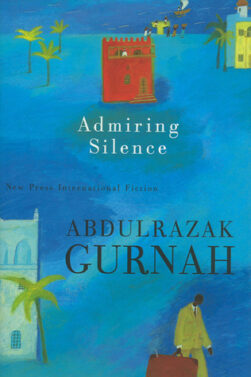
Admiring Silence by Abdulrazak Gurnah

Abdulrazak Gurnah’s Admiring Silence is a profound and intricate narrative exploring themes of identity, displacement, the weight of history, and the transformative (and often deceptive) power of storytelling. The novel follows an unnamed narrator, a forty-two-year-old teacher from Zanzibar who has lived in England for twenty years, as he navigates a life built on a foundation of carefully constructed silences and fabrications. The story is structured around his physical and psychological journey back to his homeland and the subsequent collapse of his domestic life in England. The Condition in England: A Life of Disquiet The narrative begins with a physical manifestation of the narrator’s internal state: a persistent, “cockroachy” pain in his chest that reeks of “loneliness and terror”. Living in London with his partner, Emma, and their seventeen-year-old daughter, Amelia, the narrator occupies a space of “agitated content”. His health crisis prompts a visit to a young, “impossibly empirical” doctor who, despite the narrator’s Indian Ocean origins, delivers a racialized diagnosis: “Afro-Caribbean people have dickey hearts”. This diagnosis, which the narrator accepts with a “stoical gulp and an inward sneer,” serves as a metaphor for the way he is consistently misperceived and pigeonholed by the culture that surrounds him. …

Read more

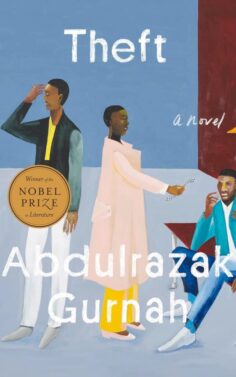
Theft by Abdulrazak Gurnah

The Genesis of an Arranged Disaster: Raya and Bakari Abbas The narrative arc of Abdulrazak Gurnah’s Theft begins in an atmosphere of paternal panic and revolutionary upheaval. The protagonist Raya’s marriage is not born of love, but of her father’s desperate need to preserve “respectability and honor”. This panic is triggered by Rafik, a childhood neighbor who returns from Cuba as a “heroic, slender warrior” in the Umma Party. To Raya’s father, Rafik represents the “hooligan soldier” who threatens to “dishonor” his daughter through public conversation and long, knowing looks. This fear is grounded in the broader social instability of the time, where revolutionary “heroes” used their power to “humiliate or to intimidate” citizens who lacked birth certificates or political standing. In response to this perceived threat, Raya’s father and his elder brother, Hafidh, arrange a marriage with Bakari Abbas, an “amiable man in his forties” from Pemba. Raya, only seventeen and “beautiful,” finds herself with no real choice; she must either accept the arrangement or risk shaming her entire family. The wedding is a hurried affair, preceded by “sudden, intense preparations” and advice from elderly women on the “lore of obedience to male lust”. The reality of the marriage …

Read more