
African Pharmakon by Nana Osei Quarshie
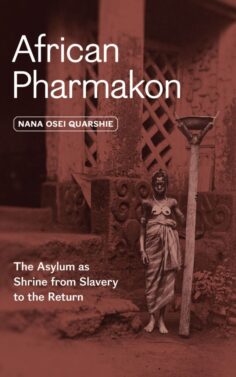
Summary of African Pharmakon: The Asylum as Shrine from Slavery to the Return Nana Osei Quarshie’s African Pharmakon provides a comprehensive historical and ethnographic analysis of the management of mental distress in Ghana from the 15th century to the present day. The book’s central thesis is that psychiatry in West Africa was not a colonial imposition that replaced indigenous systems; rather, it was “Africanized” and grafted onto a pre-existing “West African pharmakon” a repertoire of therapeutic techniques used to heal or harm the mind for political and ritual purposes. The term “pharmakon” refers to substances or practices that can be both palliative and poisonous, as well as the ritual of sacrificing a scapegoat to purify a territory. Quarshie identifies five historically recurring techniques characterizing this regional pharmakon: logging (restraint), spiritual pawning (ritual servitude), manhunting (capture), mass expulsion (territorial removal), and pharmacotherapy (herbal and pharmaceutical substances). Part One: The Atlantic Era and the Roots of Spiritual Pawning The origins of psychiatry in West Africa are rooted in the transatlantic slave trade, where European merchants and African elites negotiated the value of “mad slaves”. Madness was an economic limit to the commodification of human life; a “mad slave” lacked exchange value as …